
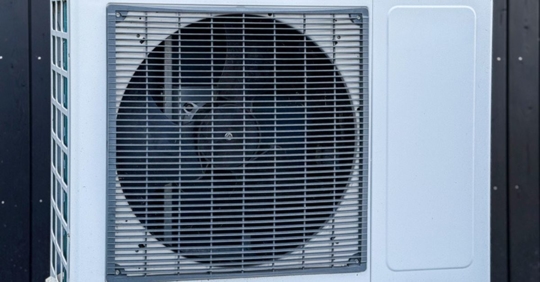
Heat pumps are an increasingly popular solution for homeowners looking to maintain comfort while reducing energy costs. By providing both heating and cooling in a single system, heat pumps can efficiently manage your indoor climate year-round. However, selecting the right system depends on several factors, including climate, property size, insulation, and long-term energy goals. Understanding these considerations before installation ensures you choose a system that maximizes efficiency, reduces utility bills, and provides consistent comfort.
Consider Your Climate
Heat pumps perform best in moderate climates, but technology has advanced to make them effective even in colder or hotter regions. In Oregon, where winters are mild and summers are moderate, heat pumps can provide energy-efficient heating during the winter and reliable cooling in the summer. In areas that experience occasional extreme temperatures, it’s important to select models that maintain efficiency and comfort during challenging weather conditions. Doing so ensures that your system not only saves energy but also keeps your home comfortable year-round.
Key climate considerations include:
- Seasonal temperature ranges
- Frequency of extremely cold or hot days
- Potential need for supplemental heating in winter
- Overall energy efficiency ratings suitable for your climate
By accounting for these factors, homeowners can select a heat pump designed for long-term performance and lower energy costs.
Evaluate Your Property Size and Layout
The size and layout of your home greatly affect how efficiently a heat pump can regulate temperature. Larger homes or multi-story properties often require central systems or multiple units to ensure consistent comfort throughout the house. Homes with open floor plans allow air to circulate more freely, often making single-zone systems sufficient, while properties with numerous enclosed rooms may need additional units or enhanced ductwork for even heat distribution. Assessing your property before installation ensures you choose a system that meets your home’s unique demands.
Factors to evaluate include:
- Total square footage and number of floors
- Open vs. closed floor plans
- Locations that may require supplemental heating or cooling
- Existing ductwork and airflow efficiency
Considering these elements ensures you select a system that balances performance, cost, and comfort.
Building Envelope and Insulation
Your home’s insulation and building envelope directly impact heat pump efficiency. A well-insulated home retains warmth in winter and stays cooler in summer, reducing the energy required to maintain comfort. Walls, ceilings, floors, and windows should be evaluated for insulation quality. Sealing gaps around doors and ducts also prevents energy loss. Investing in insulation upgrades before installing a heat pump ensures your system works at peak efficiency while reducing energy bills and improving indoor comfort.
Insulation and efficiency tips:
- Upgrade to double- or triple-glazed windows
- Add or improve insulation in walls, ceilings, and floors
- Seal gaps around doors, windows, and ductwork
- Evaluate areas prone to drafts or heat loss
Addressing these elements first ensures your heat pump delivers maximum efficiency and long-term savings.
Types of Heat Pumps
Different types of heat pumps suit different properties and budgets. Selecting the right type ensures you get the efficiency, comfort, and performance you need.
Air Source Heat Pumps
Air source heat pumps draw heat from the outside air to provide heating or cooling. They are cost-effective, relatively easy to install, and work well in moderate climates. Proper placement is key to minimizing noise and ensuring efficient operation.
Ground Source (Geothermal) Heat Pumps
Geothermal heat pumps use underground temperatures to provide consistent heating and cooling. While installation requires a larger initial investment and sufficient land for underground loops, these systems offer significant long-term savings and reduced environmental impact.
Ductless Mini-Split Heat Pumps
Mini-splits are ideal for homes without existing ductwork or those needing targeted heating and cooling in specific areas. They allow for room-by-room temperature control and involve less invasive installation than traditional ductwork systems, making them suitable for renovations or home additions.
Factors to consider when choosing a system:
- Property size and layout
- Installation complexity and cost
- Noise levels and placement
- Long-term energy savings potential
Costs, Efficiency, and Incentives
Installing a heat pump involves upfront costs, but long-term savings often outweigh the initial investment. Installation costs vary depending on system type, property modifications, and local labor rates. Air source units are generally less expensive to install than geothermal systems, which require more extensive groundwork. Additional modifications to ductwork or insulation can also impact costs.
Efficiency and savings considerations:
- Look for high SEER (Seasonal Energy Efficiency Ratio) and HSPF (Heating Seasonal Performance Factor) ratings
- Estimate long-term utility savings based on efficiency ratings
- Consider available state, federal, and utility incentives, such as rebates or tax credits
- Explore low-interest financing options to offset upfront costs
By carefully evaluating costs and efficiency, homeowners can make informed decisions that save money over the life of the system.
Maintenance and Longevity
Routine maintenance ensures your heat pump operates efficiently for years. Homeowners should clean or replace filters regularly, inspect ductwork for leaks, and keep outdoor units free of debris. Professional inspections at least once a year can catch issues early, preventing costly repairs.
Maintenance tips:
- Schedule annual professional inspections
- Replace or clean filters regularly
- Keep outdoor units clear of debris
- Monitor system performance and address issues promptly
With proper care, heat pumps can last up to 20 years or more. Technological upgrades, such as smart thermostats and advanced control systems, can further improve efficiency and comfort over time.
Environmental Benefits
Heat pumps offer a significant environmental advantage over traditional heating and cooling systems. By using natural heat from the air or ground, they consume less electricity and reduce greenhouse gas emissions. For homeowners looking to minimize their carbon footprint, a heat pump provides a sustainable way to stay comfortable while contributing to broader environmental goals. In addition to energy savings, these systems support Oregon’s push for renewable energy and sustainable living.
Making an Informed Decision
Selecting the right heat pump requires careful consideration and guidance from experienced HVAC professionals. A thorough assessment can identify the system that best fits your home’s size, layout, insulation, and climate conditions. Understanding the benefits, costs, and maintenance requirements of different options ensures that you make an investment that will provide comfort, efficiency, and long-term value.
If you’re ready to explore heat pump options or learn how to make your home more energy-efficient, Gresham Heating and Air Conditioning is here to help. Our experienced team provides personalized consultations to help homeowners make informed, cost-effective decisions for a comfortable, energy-efficient home.
Call Gresham Heating and Air Conditioning now at (503) 667-7594 or send us a message online.